The AI Corner
The Musk vs Altman Trial Starts Monday — A Reader's Guide to the Court-Filing Dossier
Ruben Dominguez
Apr 24, 2026
The Musk vs Altman Trial Starts Monday — A Reader's Guide to the Court-Filing Dossier
Source: The AI Corner · Author: Ruben Dominguez · Date: April 24, 2026 · Original article
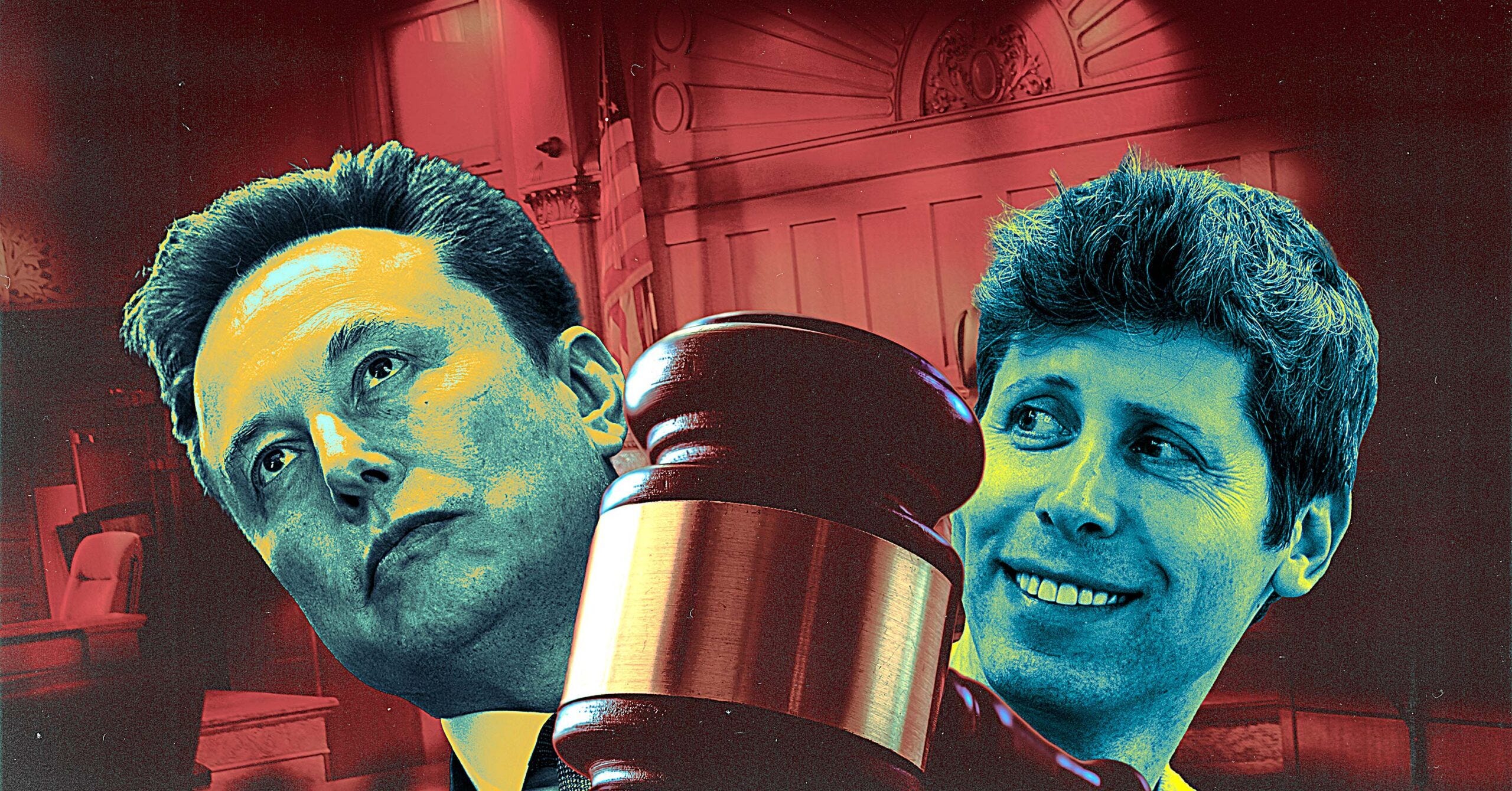
Note: This post is paywalled on Substack. Only the public preview (the framing, the teaser, and the table of contents of the "dossier") is accessible. The detailed evidence sections — diary entries, depositions, texts — sit behind a 7-day-trial subscription wall. The summary below faithfully covers what is publicly visible. It is a guide to what the article promises to cover and the legal stakes, not a recap of the full evidence.
What is actually happening on Monday
On Monday, April 27, 2026, Elon Musk and Sam Altman are walking into a federal courtroom in Oakland, California, to begin the trial that the tech industry has been arguing about for two years.
The two competing stories the judge has to choose between:
- Musk's claim: Sam Altman and Greg Brockman betrayed OpenAI's founding nonprofit mission. OpenAI was originally set up as a nonprofit dedicated to safe, open AI research for humanity. Musk alleges the leadership pivoted toward a for-profit structure in order to enrich themselves personally — a breach of the original deal he says he funded.
- Altman's claim: Musk's lawsuit is not about the mission at all. It's a competitive weapon. Musk now owns xAI, a direct competitor to OpenAI, and Altman's side argues the suit is an attempt to legally kneecap a rival.
That is the headline version — the part the mainstream press will cover on Monday morning.
The author's argument is that the more interesting story isn't in the press releases. It's buried in hundreds of court filings that landed in the six months leading up to trial — filings most journalists won't have time to actually read.
A litigator quoted in the piece sets the tone:
"We are about to witness the landing of the Hindenburg on the deck of the Titanic. We know it's going to be crazy and nasty." — Andrew Stoltmann, corporate litigation lawyer
Why the court record matters more than the press coverage
A useful mental model the post leans on: what the press reports vs. what the discovery process reveals are usually two different stories. In a trial like this, lawyers force both sides to hand over private texts, emails, diaries, and deposition testimony. Most of that material never makes it into a 600-word news article. The post is positioning itself as the "read everything so you don't have to" digest of that record.
The author explicitly promises: "Everything sourced from the court record. Nothing speculative."
The dossier — what the (paywalled) deep dive covers
Below is the table of contents the public preview lays out. Each bullet is a thread the full article apparently pulls on. (Details of what's actually in each thread are behind the paywall.)
-
The Burning Man 2017 timeline. A reconstruction of what happened among the OpenAI principals at Burning Man in 2017, including which evidence the judge ruled is admissible at trial and which got excluded. Depositions reportedly include references to "rhino ketamine" use at the festival — the kind of detail that makes lawyers fight over relevance.
-
Shivon Zilis on the OpenAI board. Zilis served on OpenAI's board while also being the mother of four of Elon Musk's children — a relationship that wasn't public at the time. The dossier covers text messages that allegedly show her feeding board-level information back to Musk. The legal significance: it speaks to whether Musk had inside visibility into OpenAI's decisions during the period he now claims he was deceived.
-
Greg Brockman's private diary. Brockman, an OpenAI co-founder, kept a personal journal. One entry — referred to as the "$1B entry" — sits at the center of Musk's claim that there was a binding promise about funding and mission. But the post teases that there's another diary excerpt that complicates Musk's narrative, i.e. cuts the other way. The reason this matters: Musk's whole case rests on what was promised at the founding, and contemporaneous private writing is some of the most credible evidence a court can see.
-
Mark Zuckerberg's texts to Musk. Filings reportedly show Meta's CEO privately offering Musk two things: (1) help with DOGE coverage (the Musk-led federal cost-cutting effort), and (2) a joint bid for OpenAI's intellectual property. The implication: Big Tech CEOs were quietly coordinating against OpenAI behind the scenes, and the trial drags those backchannels into daylight.
-
The Bezos "tool" email. An email involving Jeff Bezos referring to someone as a "tool." The dossier connects this to the SpaceX IPO narrative — i.e. how the language used in private correspondence between tech leaders affects how investors and regulators perceive an upcoming SpaceX public offering.
-
Altman's flattery messages to Musk. Texts where Altman calls Musk "my hero," plus what the author calls a strategic silence around the founding photos — the iconic OpenAI launch images that get used or deliberately not used depending on who is telling the story. The point: how the two men talked to each other in private vs. how each side now characterizes that early relationship.
-
What the trial outcome can — and cannot — change. A grounded read of the actual remedies in play. Even if Musk wins, what does that mean for OpenAI's structure, for the for-profit conversion, for existing contracts with Microsoft, etc.? The author flags that public expectations about "Musk wins, OpenAI gets unwound" are probably not how it actually works legally.
-
The SpaceX–Cursor deal timing. The post argues the timing of SpaceX's deal with Cursor (the AI coding company) matters more than anyone is acknowledging — presumably because of how it lines up with trial milestones, Musk's competitive positioning, or disclosure obligations.
The takeaway from the public portion
If you only read the press on Monday, you'll get the surface narrative: founder feud, broken nonprofit promise, competitive grudge. What the post is signaling is that the real material — the texts, the diary, the board relationships, the backchannel offers from other tech CEOs — is messier and more revealing than either side's official storyline. Both Musk's "betrayed mission" narrative and Altman's "competitive sabotage" narrative get complicated by what's in the actual filings.
The article frames itself as a reading guide so you can follow the trial coverage and immediately recognize which evidence is being cited, where it came from, and which side it actually helps.
Summary based on the publicly accessible preview of the article. The "Full Dossier" section — the substantive evidence walk-through — is behind a paid subscription and is not summarized here.
Author
Ruben Dominguez
Continued reading
Keep your momentum
MKT1 Newsletter
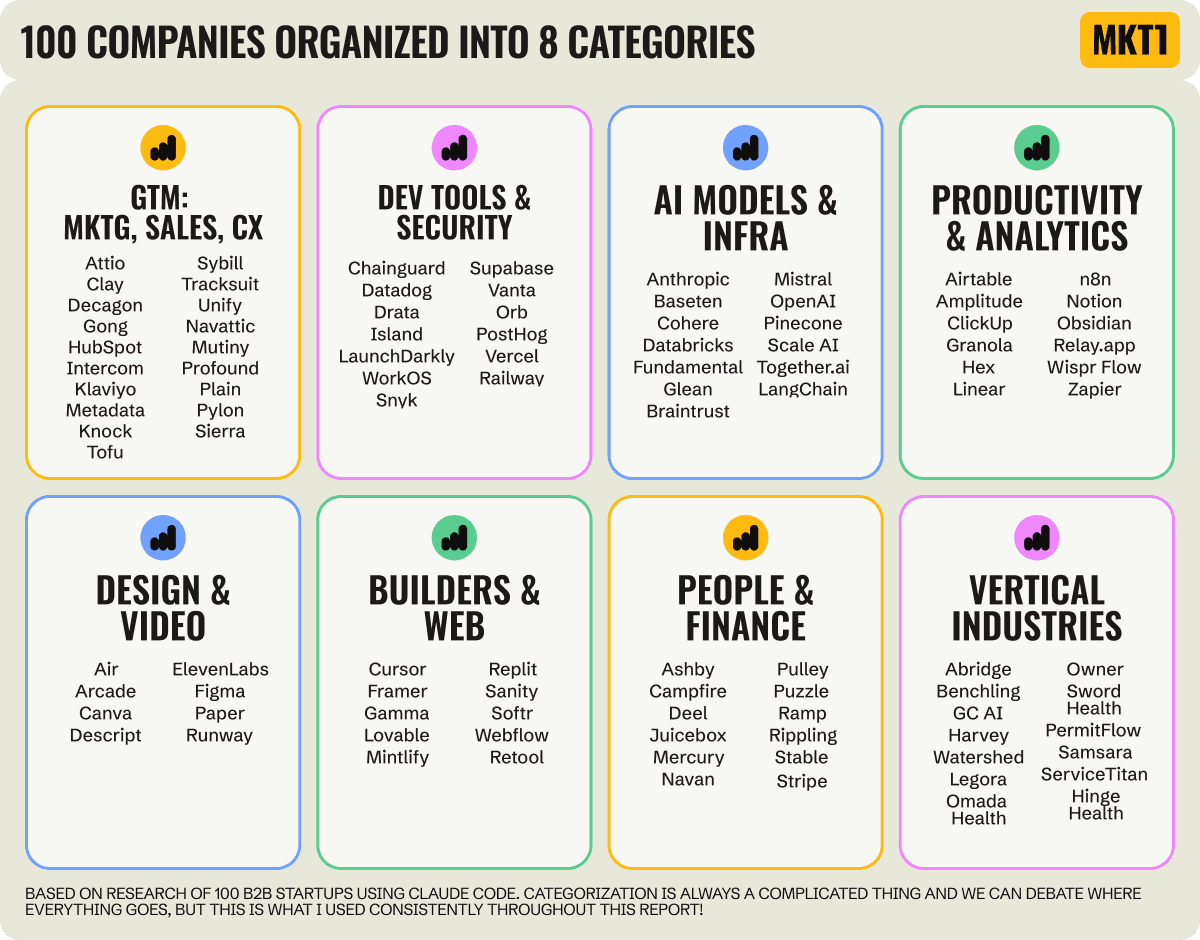
100 B2B Startups, 100+ Stats, and 14 Graphs on Web, Social, and Content
This is Part 2 of MKT1's three-part State of B2B Marketing Report. Where Part 1 looked at teams and leadership , Part 2 turns to what marketing teams are actually doing — what their websites look like, how they use social, and what "content fuel" they're producing. Emily Kramer u
Apr 28 · 10m
Lenny's Newsletter (Lenny's Podcast)
Why Half of Product Managers Are in Trouble — Nikhyl Singhal on the AI Reinvention Threshold
Nikhyl Singhal is a serial founder and a former senior product executive at Meta, Google, and Credit Karma . Today he runs The Skip ( skip.show (https://skip.show)), a community for senior product leaders, plus offshoots like Skip Community , Skip Coach , and Skip.help . Lenny de
Apr 27 · 7m
The AI Corner
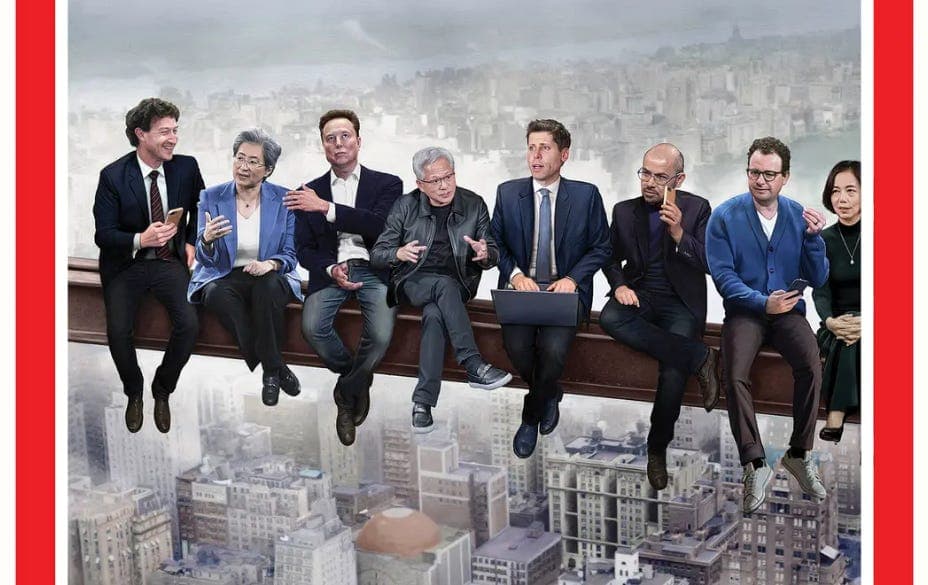
The AI Agent That Thinks Like Jensen Huang, Elon Musk, and Dario Amodei
Dominguez opens with a claim that is easy to skim past but worth stopping on: the difference between elite founders and everyone else is not raw IQ or speed — it is that each of them has internalized a repeatable mental procedure they run on every important decision. The procedur
Apr 27 · 6m