The VC Corner
The Memo That Almost Missed the Greatest Investment in History
Ruben Dominguez
Apr 22, 2026
The Memo That Almost Missed the Greatest Investment in History
Source: The VC Corner • Author: Ruben Dominguez • Date: 2026-04-22 • Original article
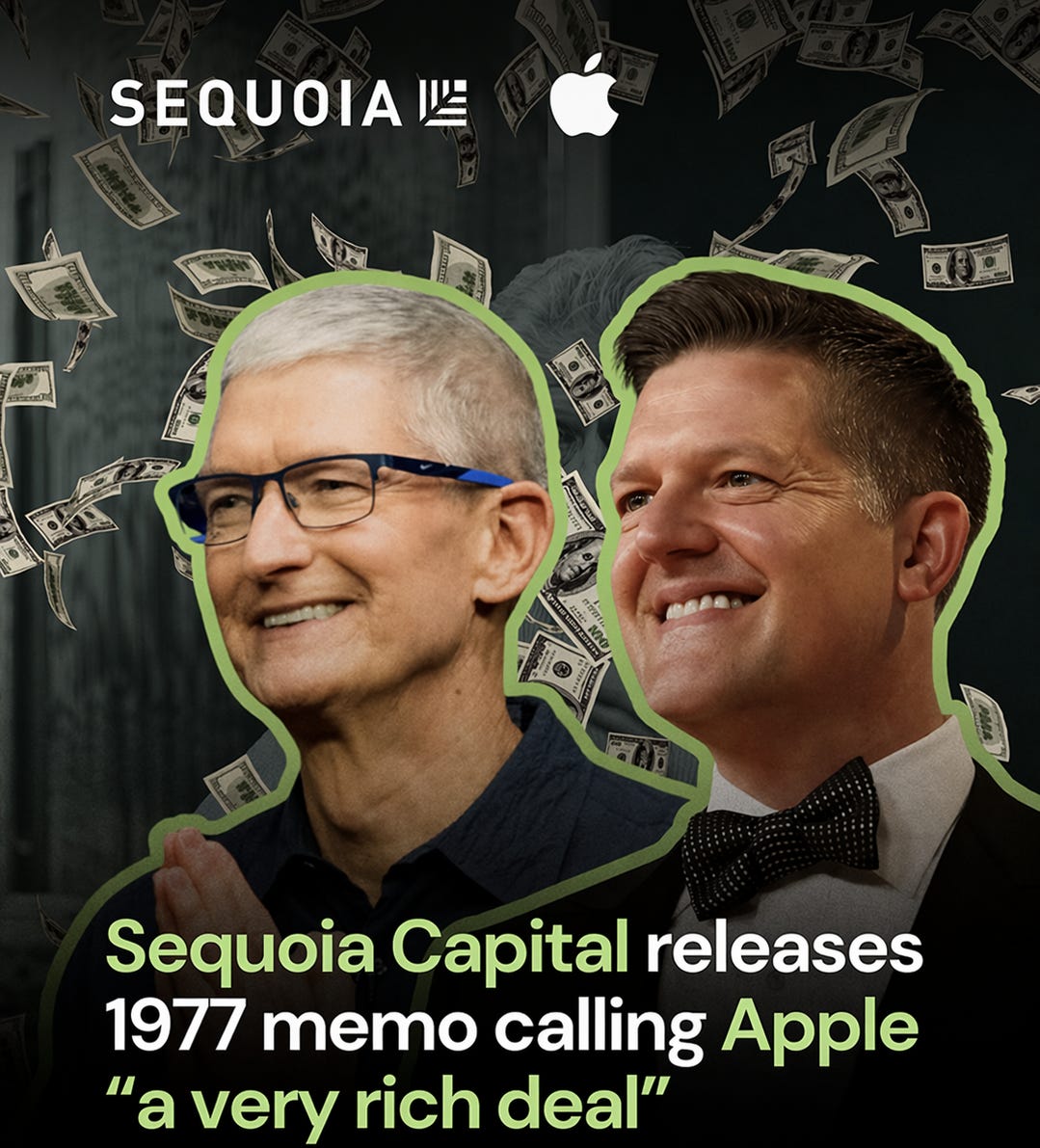
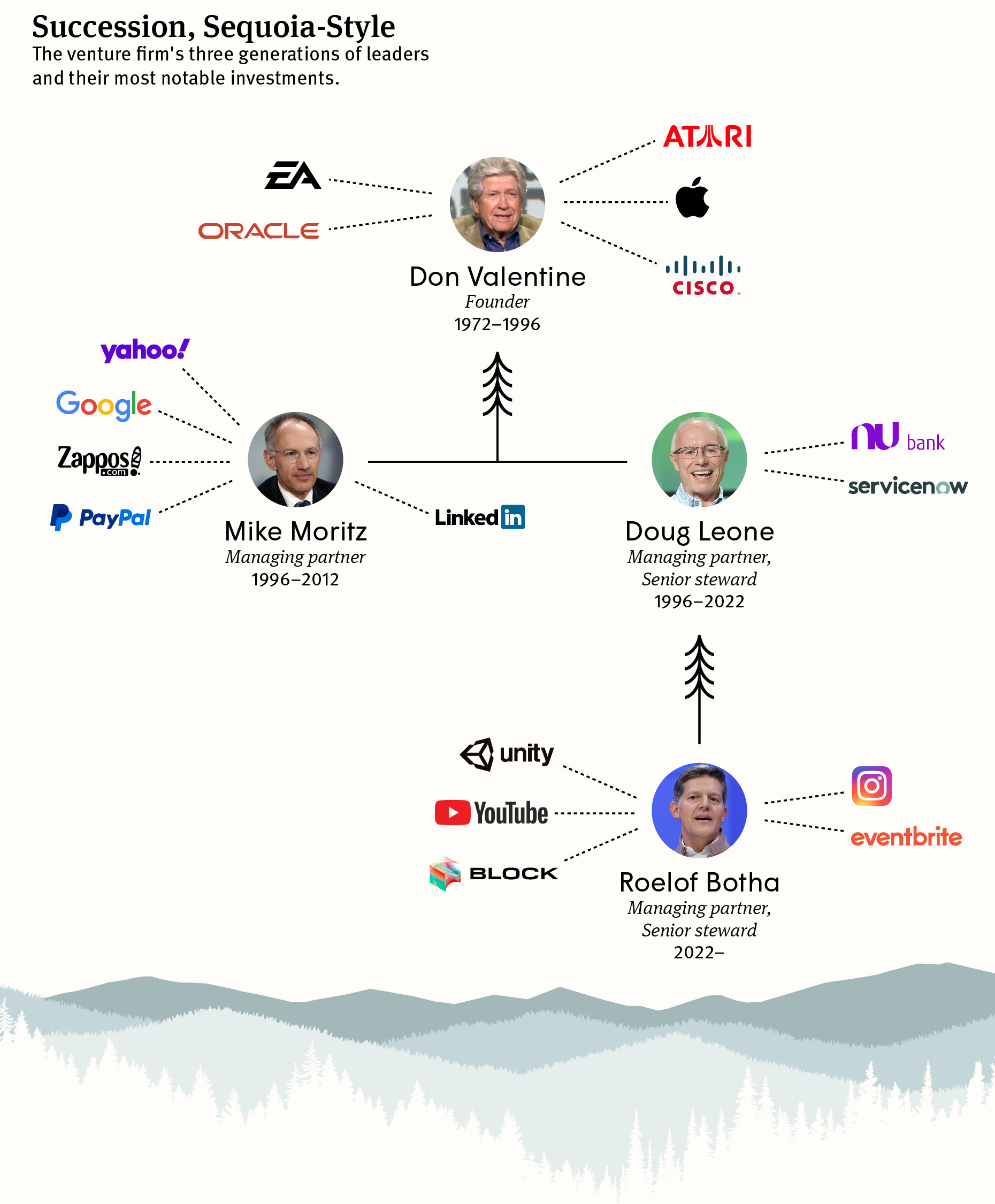
A few weeks ago, on Apple’s 50th anniversary, Sequoia Capital published Don Valentine’s original 1977 evaluation memo for Apple Computer. The surprising part isn’t that the memo exists — it’s what it says. The memo doesn’t describe Apple as a generational company. It describes it as a questionable one. The priority field at the top of the page reads “M” — medium. For Apple.
That single detail flips the usual origin-story narrative on its head. The memo wasn’t written by someone who saw the future clearly. It was written by a serious investor who wrote down exactly what was wrong with the deal — pricing, team, market — and then wrote the check anyway. The lesson isn’t about prescient vision. It’s about the texture of doubt: how good investment processes hold uncertainty without collapsing under it.
There are five things hiding inside this one-page document worth pulling apart.
1. “Very Rich Deal” — Why valuation discipline can quietly kill venture returns
Sequoia put in $600,000 for 10% of Apple, implying a $6 million post-money valuation. Valentine called the deal “very rich,” and by 1977 standards for a company selling computers to hobbyists, he was right. By any conventional measure, it was expensive.
The instinct to push back on price isn’t irrational — it’s how sophisticated investors are trained to think. You negotiate at entry, you protect your downside, you build in a margin of safety. That mindset works beautifully in credit, buyouts, and public markets, where the upside is bounded and the downside is what you’re really underwriting.
In early-stage venture, applied too rigidly, that same instinct becomes the thing that kills your returns. Here’s the math that makes the point. Imagine Sequoia had pushed harder and cut Apple’s valuation in half — same $600K check, but for 20% instead of 10%. On a 600,000x outcome, that doubling is enormous in absolute dollars. But it changes nothing about the only question that actually mattered: did you participate in the outcome at all?
The return didn’t come from buying Apple at $6M instead of $3M. It came from being in the room and writing the check. Entry price determines the size of your share. It does not determine whether you found the company.
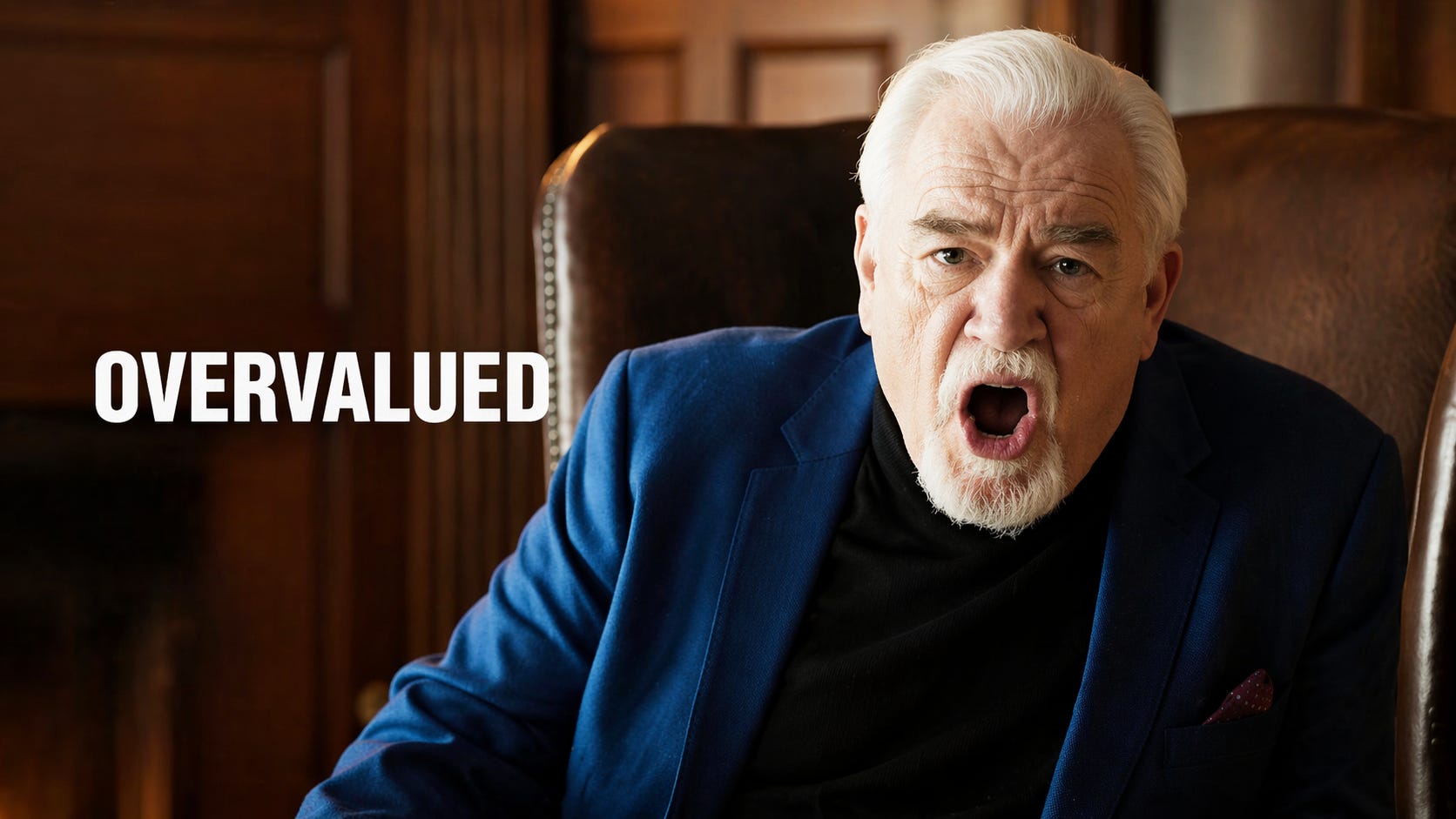
The investors who missed Apple-scale outcomes rarely passed because they were reckless. They passed because their pricing instincts were calibrated for a different asset class — one where the upside is linear and the downside is what gets you fired. In venture, where a small number of companies return the entire fund, missing one because the valuation felt uncomfortable is a far more expensive mistake than overpaying to be in it.
2. “Management Questionable” — The most important line in the document
Jobs was 22. Wozniak didn’t want to run a company. The management bench was thin, and Valentine knew it. So he wrote it down — management questionable — and then he proceeded.
This is the part of the memo people most often misread. Seeing “management questionable” followed by an investment, the obvious takeaway is: back the founders regardless of team gaps. That’s not what happened, and the actual lesson is more useful.
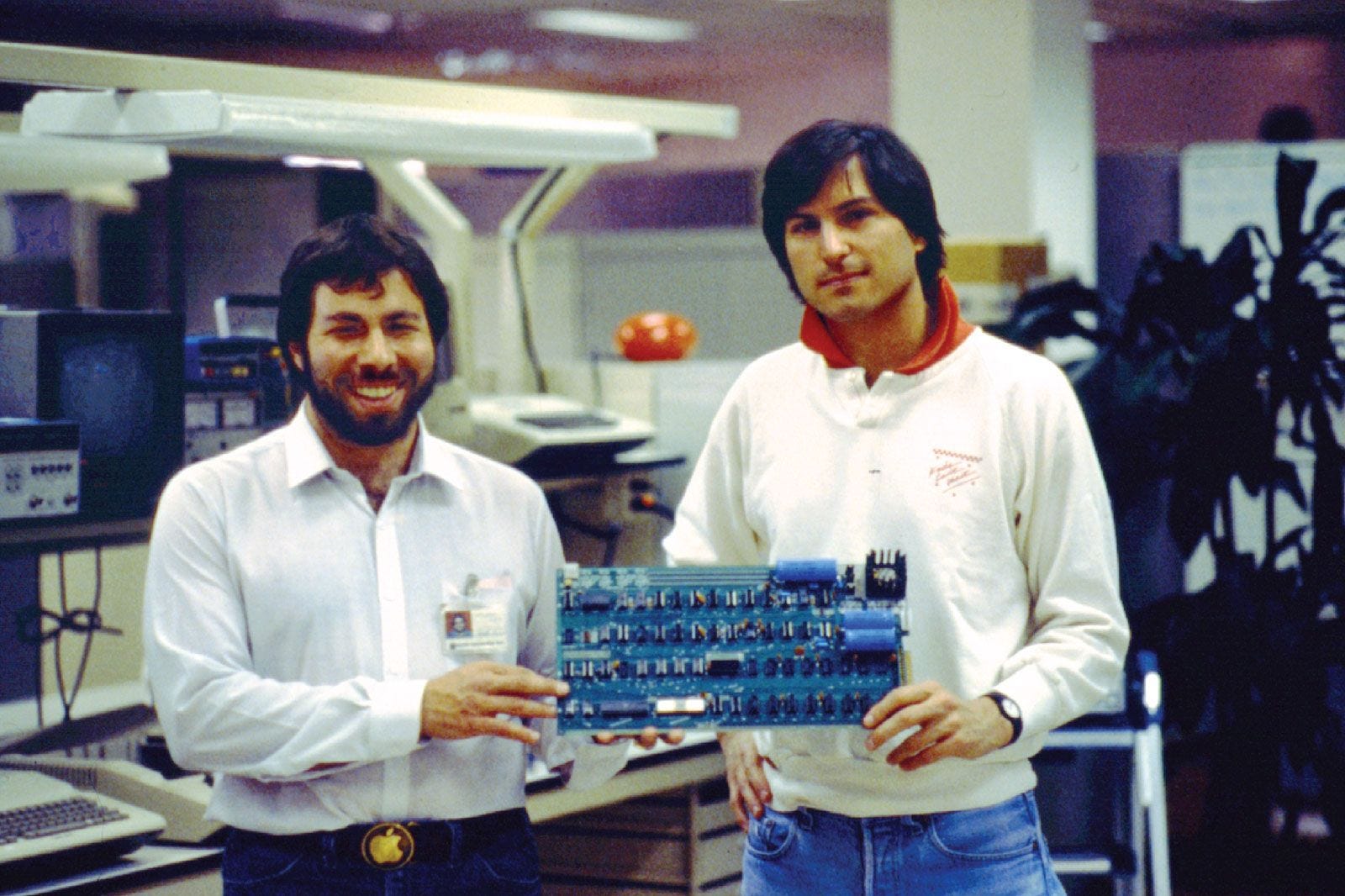
Fixable risk vs. structural risk
Valentine wasn’t ignoring the management problem. He was classifying it. There’s a sharp distinction between:
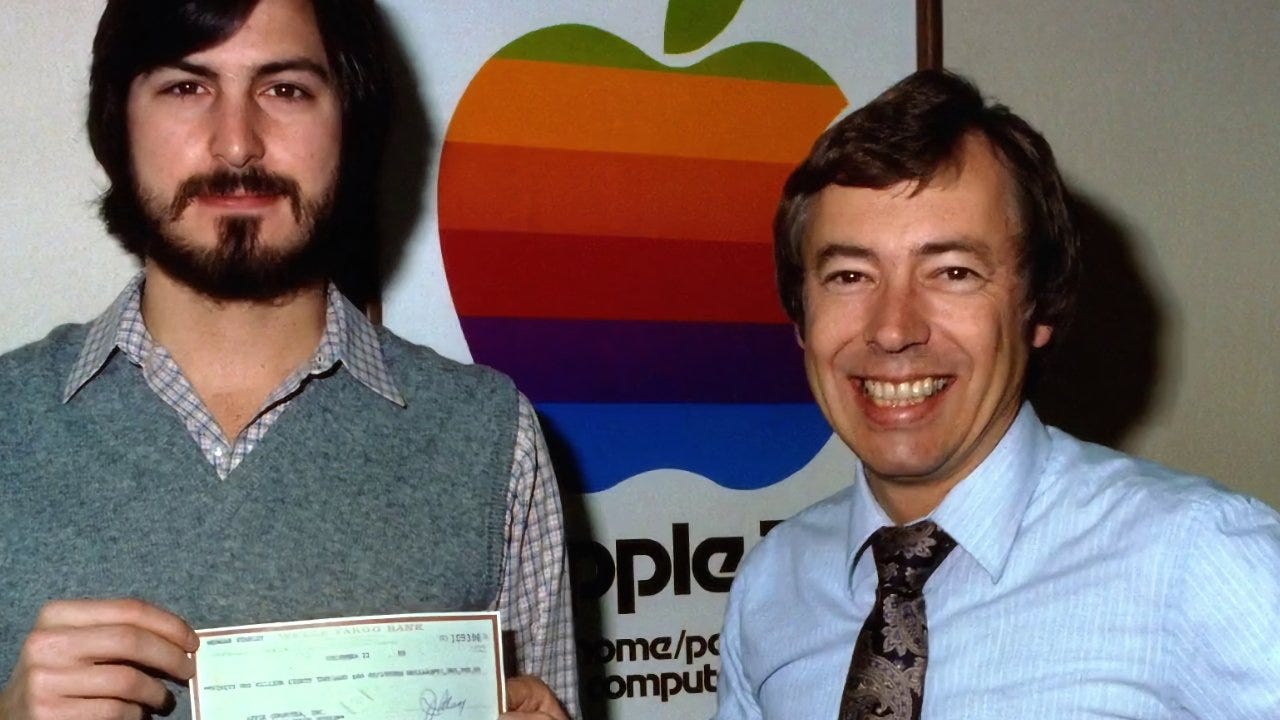
- Fixable risks — things that can be addressed after the check is written. Management quality at an early-stage company is fluid: roles change, operators get hired, experienced executives come in as the company scales. Mike Markkula didn’t show up at Apple by accident — Valentine insisted on him as a condition of the deal.
- Structural risks — things you cannot hire your way out of. If the market isn’t forming, no operator fixes that. If the product has no real pull, operational excellence doesn’t change the outcome. If the timing is wrong, execution quality becomes irrelevant.
What the memo shows is a clean read on which bucket each Apple risk fell into. The market was real. The product was selling. Timing was open. Management was fixable. That ordering is the actual framework.
What founders shouldn’t take from this
The memo is not a green light to show up underprepared and expect investors to see past it. The tolerance for management gaps only kicks in after the non-negotiable variables — market, product pull, timing — are already in place. Apple cleared that floor. Most companies that get told “your team isn’t there yet” don’t.
3. The $6 Million Mistake Nobody Talks About
Sequoia eventually sold its entire Apple position for roughly $6 million. That number usually gets mentioned in passing and then dropped from the story. It shouldn’t be — it’s arguably the most instructive detail in the whole account, and it has nothing to do with the investment decision itself.
The position wasn’t sold because conviction changed. It was sold because the fund structure couldn’t support the duration of the asset.

How structure forced the outcome
Sequoia’s early LPs included investors with near-term tax considerations. Unrealized gains created tax liabilities without corresponding cash to pay them. Holding a large, appreciating, illiquid position for years was incompatible with that LP base — the fund had to generate liquidity, and the Apple stake was the liquidity.
There were no good alternatives. In the late 1970s and early 1980s, secondary markets for venture positions barely existed, distribution-in-kind (handing shares to LPs instead of cash) wasn’t standard, and continuation vehicles (new fund structures designed to hold a position past the original fund’s life) weren’t in the toolkit. So the position came out at $6M. A real return on a $600K check — and one of the most expensive structural failures in investment history. By the headline framing of this newsletter, leaving early cost Sequoia somewhere on the order of $370 billion of upside.
What the industry quietly learned
Modern fund construction looks different precisely because of cases like this:
- LP bases now skew toward endowments, pensions, and sovereign wealth funds — investors with long horizons.
- Fund agreements include extension provisions so funds can run past their nominal 10-year life.
- Distribution-in-kind is standard practice.
- Secondary markets let managers take partial liquidity without forcing a full exit.
- Continuation vehicles allow firms to hold concentrated winners well beyond the original fund’s timeline.
None of this eliminates the pressure to return capital. It just expands the options. That expansion exists because early funds learned, sometimes very expensively, that great companies don’t fit neatly into a ten-year box.
The takeaway for fund managers
A correct investment decision does not guarantee full participation in the outcome. The structure you operate inside determines how long you’re allowed to be right.
For anyone building or managing a fund, that line is worth sitting with.
4. “Home – Hobby Computers” — How category-defining companies always look at inception
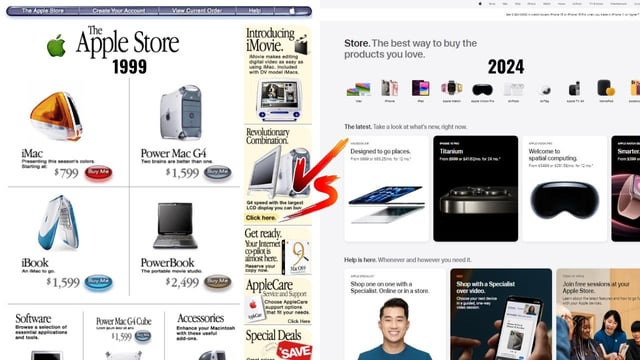
The memo describes Apple’s business as “home hobby computers.” People sometimes laugh at this framing, but it’s not far off. In 1977, the people buying Apple computers really were enthusiasts, engineers, and technically inclined users willing to wrestle with a product that wasn’t consumer-ready. As a description of the market as it existed, it was accurate.
What that description couldn’t capture is the nature of early technology adoption: the initial user base rarely defines the eventual one. Early adopters tolerate friction that later users won’t accept. Their presence signals demand, not a ceiling.

The pattern repeats
- The internet in 1994 was a tool for researchers and a small group of curious users navigating slow connections and static pages. That description said almost nothing about what would happen when browsers improved and commercial infrastructure arrived.
- Early mobile data (pre-iPhone) was used only by people willing to tolerate genuinely bad experiences. It was easy to read that as a small market. The market wasn’t small. The product was just limited.
In each case — including Apple’s — the early user base reflected a product in its constrained form. Once the constraint lifted, the definition of the market changed with it.
The practical signal
When a product is gaining traction among users who are actively working around its limitations, that’s not a niche market. It’s evidence of underlying demand that hasn’t yet found its full form. The hobbyist framing is usually a timing indicator, not a size indicator.
So the more useful question isn’t “who is using this now?” It’s:
What does adoption look like among people tolerating a difficult product — and what happens when it gets easier?
That reframing changes how you read an early market, and it changes which companies look interesting before they look obvious.
5. Why Sequoia Published This Now — and What It’s Actually Doing
Releasing an internal evaluation memo that describes one of your greatest investments as a medium-priority deal with questionable management is a deliberate act. Sequoia didn’t accidentally publish this on Apple’s 50th anniversary. The surface reading is celebration. Underneath, the memo is doing several things at once.
To LPs: It reframes what investment decisions are supposed to look like. It shows a firm moving forward with visible uncertainty, incomplete information, and acknowledged risk. For LPs who sometimes expect clean conviction on every deal, this is a useful recalibration. Good process doesn’t produce certainty; it produces decisions that can be made and defended under real conditions.
To founders: The signal is nuanced. The firm is showing that it doesn’t require a finished product or a complete team at entry. At the same time, the memo makes clear that the foundational variables — traction, market formation, timing — were already present. The tolerance for uncertainty had a floor, and that floor was already cleared.
As an institutional flex: There’s a kind of transparency that only works from a position of strength. Publishing your own skeptical internal memo on the company that became the most valuable in the world only lands well if your portfolio can absorb the exposure. It signals a firm that doesn’t need every decision to look prescient in retrospect — a level of institutional maturity most firms can’t afford to display.
What the memo is really about
The Apple memo is not a record of someone identifying a generational company with clarity and confidence. It is a record of a structured process meeting genuine uncertainty and producing a decision anyway.
The outcome is extraordinary. The process is what’s repeatable.
That’s the actual lesson — not that Don Valentine saw something others missed, but that his firm built a way of working that could hold doubt and still move forward. Most investment frameworks collapse under that pressure. This one didn’t.
Fifty years later, that’s the detail worth publishing.
Author
Ruben Dominguez
Continued reading
Keep your momentum
MKT1 Newsletter
100 B2B Startups, 100+ Stats, and 14 Graphs on Web, Social, and Content
This is Part 2 of MKT1's three-part State of B2B Marketing Report. Where Part 1 looked at teams and leadership , Part 2 turns to what marketing teams are actually doing — what their websites look like, how they use social, and what "content fuel" they're producing. Emily Kramer u
Apr 28 · 10m
Lenny's Newsletter (Lenny's Podcast)
Why Half of Product Managers Are in Trouble — Nikhyl Singhal on the AI Reinvention Threshold
Nikhyl Singhal is a serial founder and a former senior product executive at Meta, Google, and Credit Karma . Today he runs The Skip ( skip.show (https://skip.show)), a community for senior product leaders, plus offshoots like Skip Community , Skip Coach , and Skip.help . Lenny de
Apr 27 · 7m
The AI Corner
The AI Agent That Thinks Like Jensen Huang, Elon Musk, and Dario Amodei
Dominguez opens with a claim that is easy to skim past but worth stopping on: the difference between elite founders and everyone else is not raw IQ or speed — it is that each of them has internalized a repeatable mental procedure they run on every important decision. The procedur
Apr 27 · 6m